The Coming End of Lockdown

Not tomorrow, next week, or probably next month, but barring any mutations or other disasters a vaccine will open the world up again. We’ll go back to teaching in person. People won’t get scowled at (by me) for not wearing masks. We’ll go to a party that will probably be about all our friends being immune. I’ll go the States to hang out with my sister and the rest of the family.

The past year has been different and being ‘free’ will be great, but I don’t see  things quite going back to the way they were before CoVid-19. Concerts, for instance, now have several standing working methods for streaming. That won’t stop. Especially for university based concert music and home artists. Live streams, even ‘watch parties’ have a cozy place in a post-pandemic world.

I’ve been part of two streamed concerts, one from the University of Sheffield and one from The University of Birmingham. Both went well and both had much larger attendance that they do in real life. This is going to be a big boost for composing with 3D audio (HRTF/Atmos/Ambisonic/Dolby. I’m finally joining in, but It’s slow going. That probably means I need to put more work into it.

So I will. I am hopefully in the Spring/April concert in Sheffield and I intend to compose what I’m working on in Ambisonic and render it for headphones as binaural (hrtf).

Wish me luck people (or person, or probably just future me), and good luck to you!

Also, the new website, plasticmusic.net is mobile friendly. It should be ready by the first of January.
Passive Analysis.

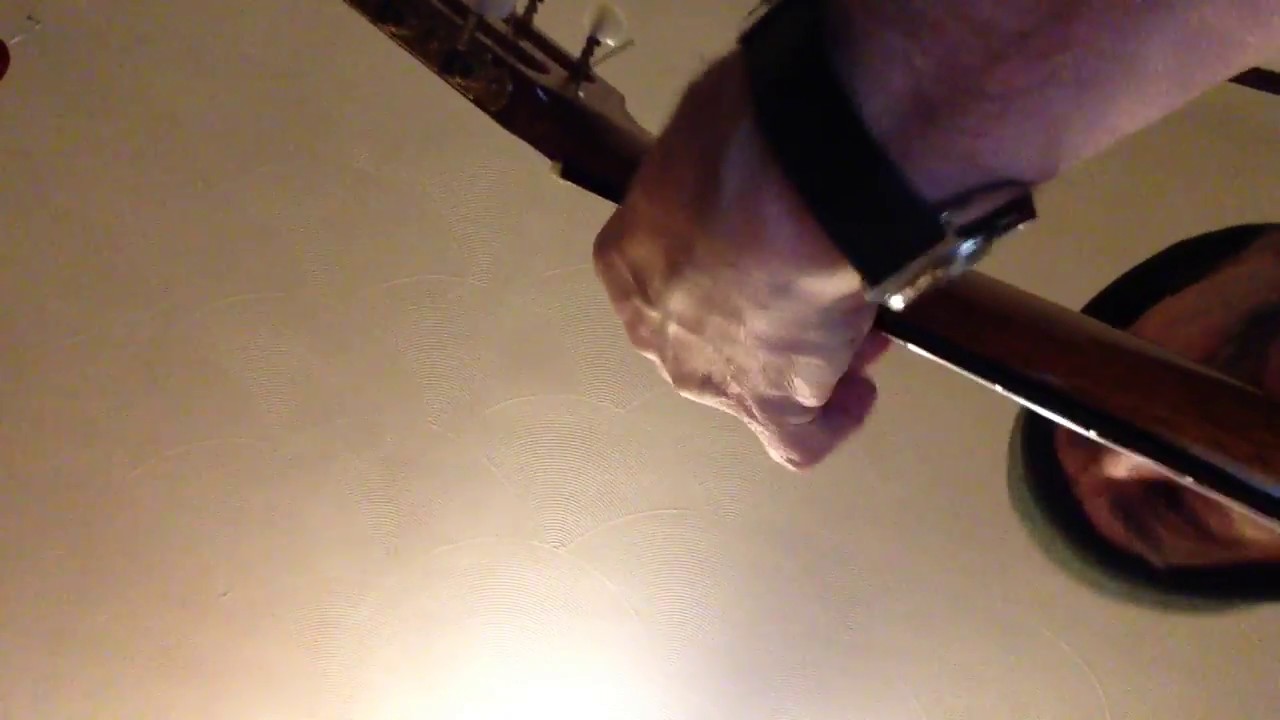
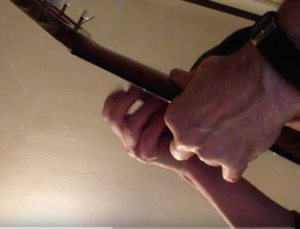
Trying some short loops (semantic satiation exercise) while listening to some melodic classical guitar as background. Mostly just Bartok and Berg.  I’m getting used to the birch bark and the nylon strings together. After collecting a few sets of phrases I’ll see about imitating them on guitar.
inch x inch

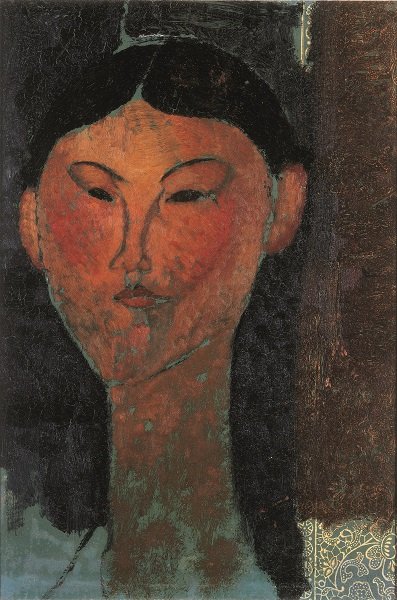
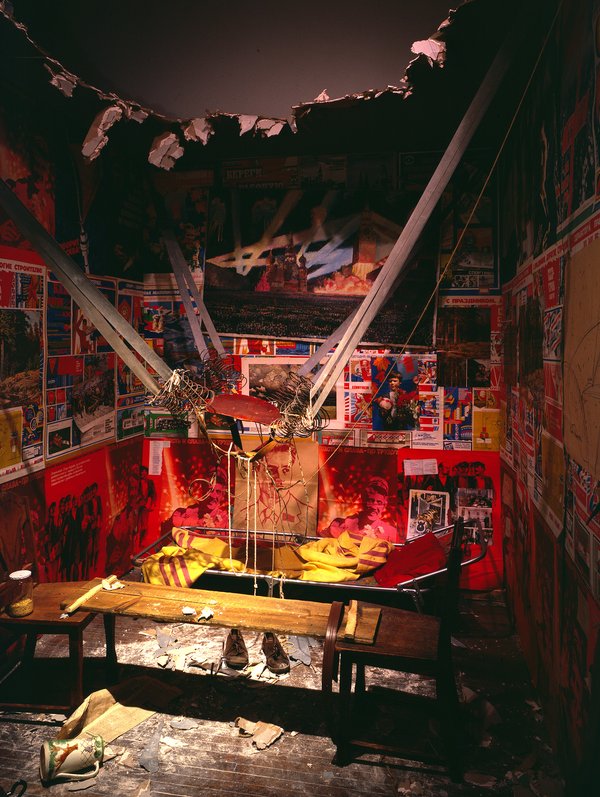
The Tate Modern (Modigliani and Kabakov) Jan, 2018

Third time to visit the Modigliani and Kabakov exhibits at the Tate Modern. As the shows both come to the end the crowds have gotten heavier.

The Kabokov comes from the heart of the soviet era, but is situated clearly in outsider territory. Lacking in quality supplies they often made do with what they had, and possibly (it seems to me, anyway) because the lack of material inhibited fast action, they rushed headlong into conceptual art. This sometimes forced the ideas themselves to become the central focus of the work, sometimes to the extent that the work itself remains a plan or a story bereft of its physical manifestations.  They still managed to create a huge portfolio of very real, very concise artwork including large room installations, ceiling high scaffolded ladders to the angels, life-size trolley facades and a spiralling maze of Soviet pseudo folk stories.

I once again didn’t spend as much time reading as I’d have liked. The long hall needs time and several visits. The books were still off-limits.


The Modigliani on the other hand came at a time when most of the avant garde (not official, but the forefront of the time) had established a firm home in Europe. Modigliani came and absorbed everyone and everything in sight, The influence of his peers is pushed to the fore of his canvases. Portraits of the artists that reify those persons’ most salient idioms show that most clearly. His love of feminine form overshadows everything he does.

g

Personal reflections:

Modigliani’s overt and enthusiastic display of how his friends and cohorts helped to develop his style is something I need to welcome into my own process. I often shy away from it if I recognize it too early in the game.

I’ve been listening to this a bit, Adrian Moore’s Séquences et tropes. Maybe I’ll hear it in my own work this time.

 (cover art, as always, Adrian Moore)